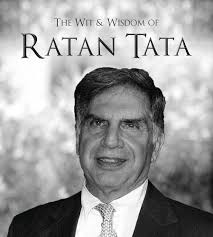
Ratan Tata, one of India’s most revered industrialists, has played a pivotal role in shaping the Indian economy. Born on December 28, 1937, in Surat, India, Ratan Tata is the former chairman of Tata Sons, the holding company of the Tata Group. His leadership style, innovative approach, and commitment to social responsibility have not only transformed the Tata Group but have also set benchmarks for corporate governance in India.
Early Life and Education
Ratan Tata was born into the prominent Tata family, known for its contributions to various sectors in India. He pursued his early education at the Cathedral and John Connon School in Mumbai and later graduated from Cornell University with a degree in architecture. His academic journey continued at Harvard Business School, where he completed the Advanced Management Program. This solid educational foundation equipped him with the knowledge and skills to lead one of India’s largest conglomerates.
Career at Tata Group
Ratan Tata joined the Tata Group in 1961, starting his career at Tata Steel. His early roles in the organization provided him with hands-on experience in various operational aspects. In 1991, he took over as chairman of Tata Sons, and his leadership marked a new era for the conglomerate.
Under Ratan Tata’s stewardship, the Tata Group diversified into new sectors, including information technology, telecommunications, and automobiles. One of his most notable achievements was the launch of the Tata Nano, which was aimed at making car ownership accessible to the masses. The Nano represented Ratan Tata’s vision of providing affordable mobility to the common man, demonstrating his commitment to innovation and customer-centric solutions.
Global Expansion
Ratan Tata’s tenure was marked by an aggressive international expansion strategy. He was instrumental in acquiring global brands like Jaguar Land Rover and Corus Steel, which helped Tata Group establish a significant presence in international markets. These acquisitions not only expanded the company’s portfolio but also enhanced its global competitiveness.
His foresight in recognizing global opportunities allowed the Tata Group to thrive in an increasingly interconnected world. Ratan Tata’s belief in strategic partnerships and collaborations helped the group navigate challenges and emerge stronger on the global stage.
Commitment to Social Responsibility
Ratan Tata’s leadership style is characterized by a deep commitment to corporate social responsibility (CSR). He believes that businesses have a moral obligation to contribute to the welfare of society. Under his guidance, the Tata Group has invested significantly in education, healthcare, and rural development initiatives.
The Tata Trusts, which hold a majority stake in Tata Sons, have been pivotal in driving social change in India. From funding healthcare projects to supporting educational institutions, the Tata Group has consistently focused on uplifting marginalized communities. Ratan Tata’s vision extends beyond profits; he aims to create a sustainable and inclusive future for all.
Leadership Style
Ratan Tata’s leadership style is often described as empathetic and inclusive. He is known for his ability to connect with employees at all levels, fostering a culture of open communication and collaboration. His humility and approachability have earned him the respect and admiration of both his peers and employees.
He believes in empowering his team members, encouraging them to take risks and innovate. This has cultivated an environment where creativity and entrepreneurship flourish, leading to groundbreaking ideas and initiatives within the Tata Group.
Legacy and Recognition
Ratan Tata’s contributions to industry and society have been widely recognized. He has received numerous awards and accolades, including the Padma Bhushan and Padma Vibhushan, two of India’s highest civilian honors. His influence extends beyond business; he is regarded as a thought leader and philanthropist, frequently addressing issues related to economic development and social justice.
Ratan Tata’s legacy is not just about the companies he has built but also about the values he has instilled in them. His emphasis on ethics, integrity, and social responsibility continues to guide the Tata Group’s operations.
Conclusion
Ratan Tata’s journey is a testament to visionary leadership and unwavering commitment to societal betterment. His ability to blend business acumen with a strong sense of purpose has left an indelible mark on Indian industry. As he continues to inspire future generations, Ratan Tata remains a symbol of integrity, innovation, and social responsibility in the corporate world. His legacy serves as a reminder that businesses can thrive while contributing positively to society, setting a standard for others to follow.